
![11 Best Office Chairs In Australia [Independently Reviewed]](/blog/content/images/size/w1600/2023/08/best-premium-office-chairs.png)
For years, my back would ache after long hours at my desk. I kept blaming my posture. I told myself, “Sit up straight, and you’ll be fine.” Turns out, that wasn’t the real problem. The real issue was my chair.
I didn’t fully understand this until I started using a high-end office chair. That’s when it clicked. Proper support makes a massive difference. When your chair is doing its job, your back isn’t fighting you all day.
But it isn't about choosing the premium or notable picks on the market; it's about protecting your health. If you work long hours, your chair is either helping your body or slowly breaking it down. After my experience, I've researched and tested many office chairs, and here are the results.
My Top Picks
I sifted through countless office chairs in Australia and evaluated various options. Here are my top three office chairs:

ErgoTune Joobie
The best ergonomic office chair for most people. It features 15 points of adjustments for good comfort and prolonged use.

Herman Miller Aeron
Best overall premium office chair, offering undeniable comfort, essential functions, and durability for long office hours.

SIHOO M57
Best budget office chair that balances quality and affordability. It’s ideal if you work long hours but don’t want to spend too much.
11 Home Office Chairs for Aussies
Below, I break down each chair in detail based on hands-on testing and research. Most of these chairs I’ve used personally for years, but there are a few I’ve tested only in showrooms to understand how they actually perform.
1. Herman Miller Aeron
Best Overall Office Chair
Seat height: 40.5 - 52 cm
Max weight: 159 kg
Warranty: 12 years
The Herman Miller Aeron is one of those chairs you see in executive offices all the time. It looks premium, sure, but its actual value lies in how it feels after hours of sitting. The mesh back supports your body correctly and keeps air moving, so you don’t feel hot or stiff halfway through the day.
What makes the Aeron stand out is how well it can be tailored to your preferences. First, it comes in three sizes (most people end up with the medium, i.e., size B), and you can choose your back support, arm adjustments, and even the type of casters when you buy it. It’s not cheap, and I won’t pretend it is, but it shows up fully assembled and ready to work. No setup, no fiddling. You sit down, and it just does what a serious office chair should do.
A chair's true mettle is tested by its day-to-day comfort, and the Aeron doesn't disappoint. From day one, it felt moulded around me rather than the other way around. The armrests are plush and offer a good range of motion, though I felt a tad restricted by their inability to move broader or narrower. But these are nuances rather than dealbreakers.
More importantly, on dealbreakers, Herman Miller's Aeron doesn’t have a headrest, which is a drawback if you’re used to having one. However, it makes up for this with ergonomic lumbar support that you can adjust to fit your back just right, as well as a 12-year conditional warranty.
Pros
- Multiple size options
- Excellent ergonomic comfort
- Advanced mesh construction
- Built for long-term use
- 12-year warranty
Cons
- Lacks a headrest
- Limited armrest adjustability
- Premium price
2. Ergotune Joobie
Best Ergonomic Office Chair

Dimensions: 75 x 75 x 135 cm
Weight: 23.2 kg
Weight capacity: 130 kg
The Joobie is an upgrade over the ErgoTune Supreme, which previously ranked number two. The chair fixes minor issues in the Supreme while keeping the same price. It's almost as though the Supreme chair is being faded out. While the differences aren’t dramatic, they’re meaningful.
At its core, the Joobie is built for proper fit and fine-tuning. It comes in three seat-height options and uses a stable Class IV gas lift. Where the Joobie really pulls ahead, though, is ergonomics. You get 15 adjustment points, more than the Supreme and competitors like the SIHOO M57.
That includes a tunable lumbar system, fully adjustable armrests, seat depth control, tilt tension, deeper recline, and even an optional footpad. These adjustable points help dial the chair to your body and move naturally between focused work and relaxed leaning without strain.
That said, the Joobie isn’t perfect. The arm pads are still firm, and the armrests don’t go low enough for shorter users. Some lighter colour options also stain easily, so charcoal black is the safest choice. Materials are also slightly less durable than the Supreme’s aluminium-heavy build.
Pros
- Multiple size options
- Excellent neck and lumbar support
- Smooth synchro-tilt mechanism
- Breathable mesh
Cons
- Lighter mesh colours stain easily
- Armrests still don’t adjust low enough for some users
- Firmer armrest padding
3. SIHOO M57
Best Budget Office Chair
Seat Weight: 18.9 kg
Max Weight: 150 kg
Warranty: 3 years
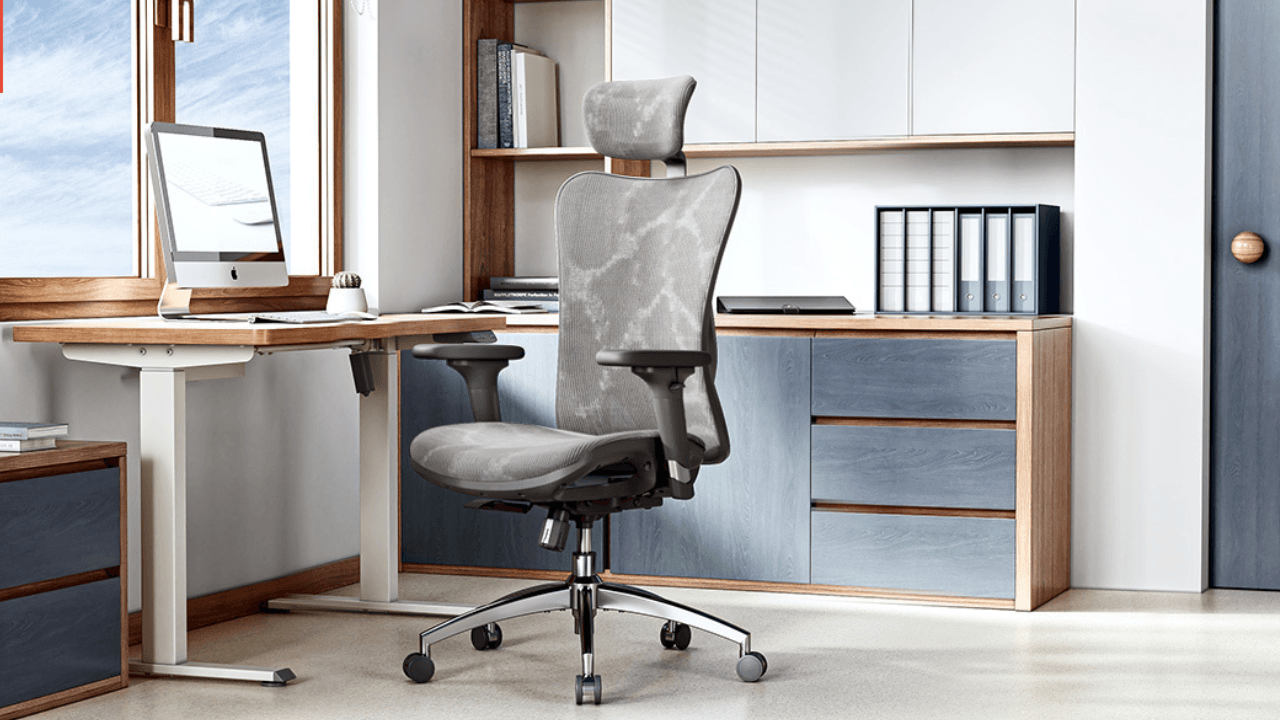
My initial thoughts on the SIHOO M57 Chair were that it's a simple and basic chair. Sitting on it, though? That's a different story. The ergonomic chair is lined with a high-density mesh, uniquely fashioned into a W-curved seat pan that is firm, supportive, and welcoming.
Its lightweight construction makes it easy to move around, and my favourite feature is its tilt mechanism, which allows you to find the right angle for different tasks, from reading reports to typing documents. It's not the most premium option, but it works just fine.
The reclining mechanism lets you switch off for a break, with a generous 126° recline. Pair that with the adjustable lumbar support, moving both up and down, and in and out, and the dual-supported backrest, and the chair genuinely supports your back in every sense of the word.
SIHOO's headrest also adjusts to fit various heights, and the tilt locks at 110, 120, and 130 degrees to keep you comfortable no matter your posture. The armrests, however, stand out because you can adjust their height, rotate them, and slide them forward and backwards.
Pros
- Sturdy aluminum alloy base
- Affordable option with essential features
- Breathable mesh back ideal for warmer climates
- Offers three lock tilt positions for various postures
- Best budget pick for Australians
Cons
- Synchro-tilt mechanism might have been a better inclusion
- Limited warranty duration
4. Recess Ergo Pro 2
Best Australian-Made Office Chair
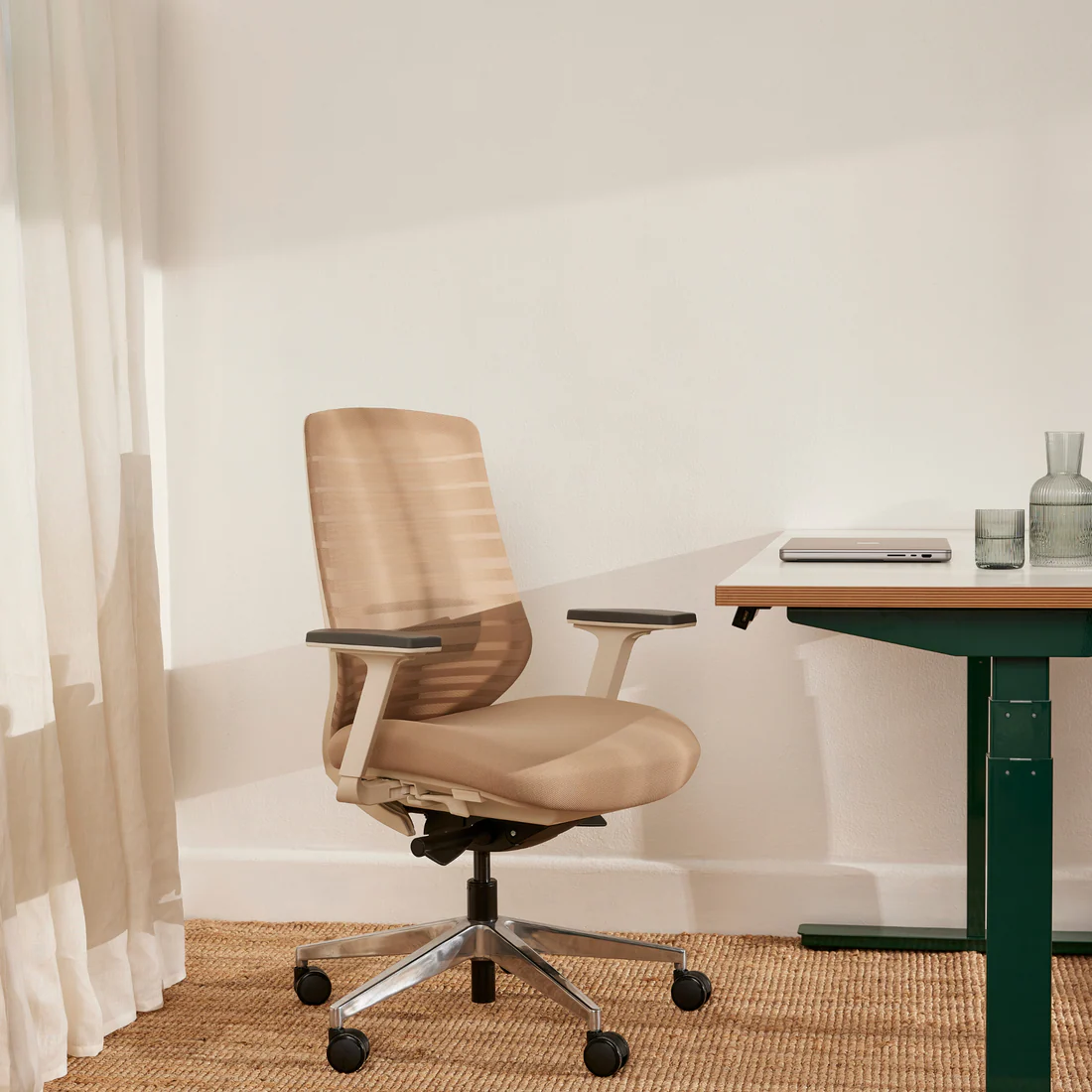
Dimensions: 64 x 64 x 109.5 cm
Weight: 23.5 kg
Weight capacity: 130 kg
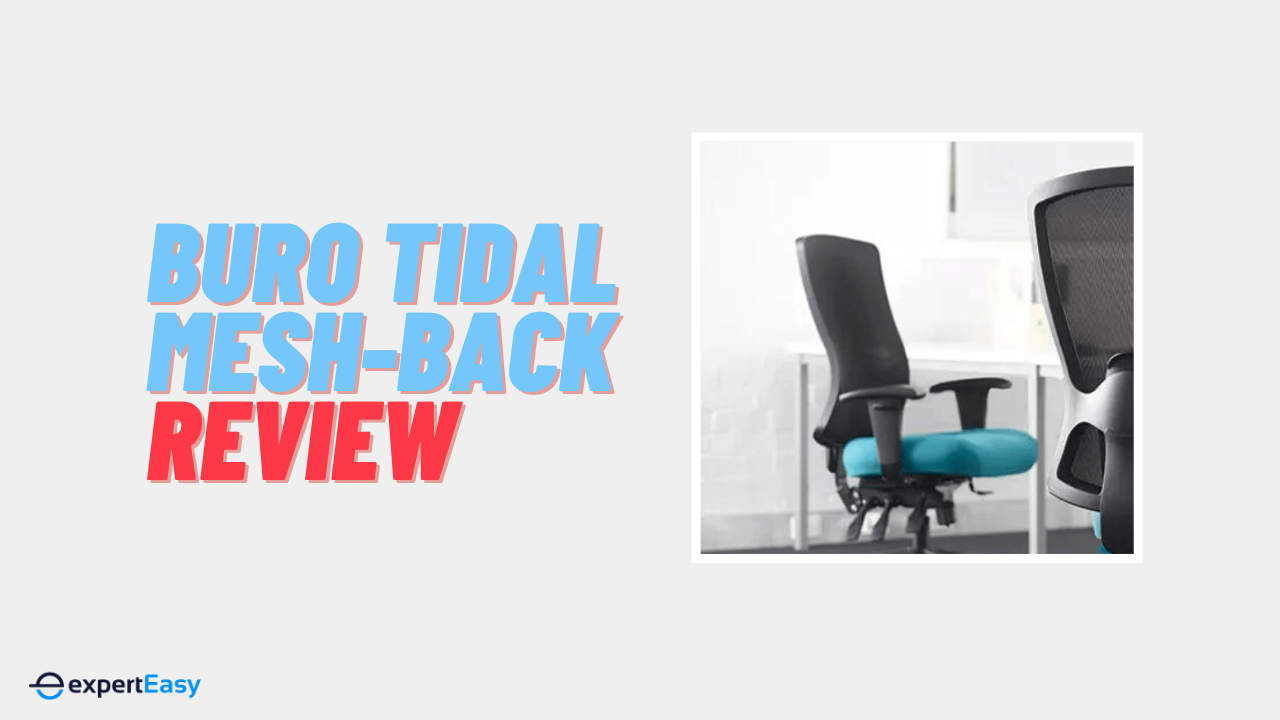
I tried the Recess Ergo Pro 2 at the Sydney showroom, and that brief hands-on time was enough for me to replace the Buro Tidal Mesh Back Chair in this ranking; partly because the Recess performs better, and partly because the Buro is becoming increasingly hard to find.
The Ergo Pro office chair features nylon-backed mesh, a chrome-plated steel base, and PU wheels that roll smoothly and quietly. Ergonomically, it covers the essentials well: seat height and depth adjustment, two-way lumbar support, adjustable backrest tilt, and 4D armrests.
The seat depth range (45–51 cm) is useful for dialling in leg support, and the lumbar adjusts both up/down and in/out, so it supports your lower back rather than forcing you into a fixed curve. The headrest and armrests are optional and modular, which is a nice touch if you prefer a cleaner setup.
Where the Ergo Pro 2 falls short is seat tilt; it relies on backrest tilt only, which works but isn’t ideal for very long sitting sessions. The return process also takes a bit more care, since separating the gas lift from the base can be tricky. But these shouldn't be dealbreakers for you.
Pros
- 100% Australian-made
- Steel-chrome base
- Two-way lumbar support
- Breathable mesh backrest
Cons
- No seat-tilt function
- Fixed gas lift
5. Secretlab TITAN Evo
Best Office Gaming Chair
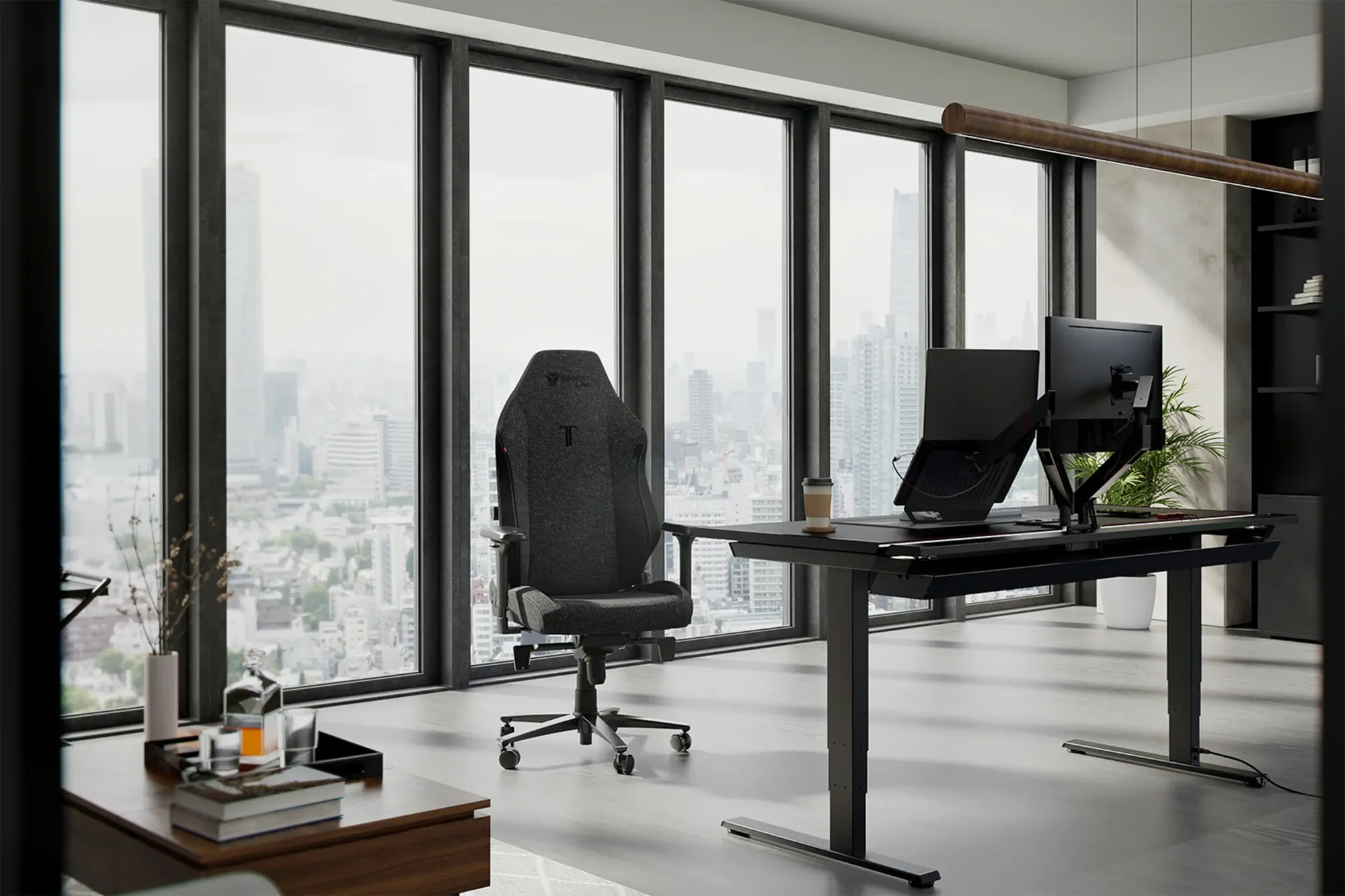
Dimensions: 85.0 x 72.0 x 38.0 cm (R)
Item weight: 34.5 kg (R)
Warranty: 3 years
The Secretlab TITAN Evo sits in a slightly different lane from traditional ergonomic office chairs, but that’s precisely why it earns a place on this list. It’s for people whose desk does double duty, i.e., work by day, gaming by night, and it handles both roles better than most.
The defining feature here is the built-in 4-way lumbar support system, which lets you adjust both the height and depth of the support via a side dial. This helps you maintain proper spinal alignment during long work sessions. For long hours, seat comfort and material choice are just as important. The TITAN Evo’s pebble-shaped seat distributes pressure evenly, and the SoftWeave fabric improves breathability compared to PU leather.
The trade-off is maintenance: fabric is harder to clean and more prone to wear, but the comfort benefit is real. The gaming chair's armrests also allow you to swap armrest tops. And combined with its full 4D adjustability, it's easier to align your arms with your desk and keyboard.
TITAN's Evo offers everything you'd expect from a high-end office chair, including height adjustment, a stable multi-tilt mechanism, a backrest that reclines up to 165°, and three size options. And while the Evo chair has visually aggressive colours and design, you'll find black fabric options that blend into an office environment like any other traditional office chair.
Pros
- 4-way built-in lumbar support
- Suitable for office work and gaming
- Highly adjustable 4D armrests
- Available in three sizes
- Solid steel frame
Cons
- Relatively large footprint
- Fabric upholstery is harder to clean
- Premium pricing
 Darren Sherwood
6. Herman Miller Cosm
Best Premium Office Chair

Seat weight: 15.8 kg
Weight tolerance: 159 kg
Warranty: 12 years
Despite being mainly built from recyclable materials, Herman Miller's Cosm is durable and confidence-inspiring. Its flexible frame, intercept suspension, and auto-harmonic tilt create a seating experience that adjusts to you without constant tweaking. If you’re not familiar with how the auto-harmonic tilt works, I’ve covered it in detail in my full review. The short version is that the chair responds naturally to your body weight and movement.
The all-mesh construction is another major strength. Mesh chairs like the Cosm, Aeron, SIHOO M57, and ErgoTune excel in long work sessions because they keep air flowing and prevent heat buildup. The Cosm takes this further by pairing breathability with well-integrated lumbar support that encourages a healthier sitting posture without forcing you into a rigid position.
Cosm also offers flexibility in sizing, with low-back, mid-back, and high-back chair options. What stands out most, though, is how well it adapts to your movement. The chair subtly adjusts in the background, reducing the need for manual controls, albeit it does take some time to trust the automation.
Herman Miller's Cosm is a premium chair, and it’s priced accordingly, but the manufacturer backs it with a 12-year warranty.
Pros
- Luxurious design
- Intuitive auto-harmonic tilt
- Breathable mesh construction
- Arrives fully assembled
- Tailored lumbar support
Cons
- No integrated headrest
- Automation has learning curve
- Premium price tag
7. Herman Miller Embody Chair
Best Office Chair for Back Pain Relief

Frame & base: Graphite finish
Max weight: 136 kg
Warranty: 12 years
The Herman Miller Embody isn’t designed to support your upper body and back properly over long hours. It's one of the few chairs that’s genuinely engineered for how your body behaves during long periods of sitting.
The back design is intentionally spine-like and designed to support the sacral, lumbar, and thoracic regions. In contrast, the narrow, frameless back shape gives your shoulders and arms room to move freely instead of feeling boxed in.
Embody's seat is a three-layer design that responds to micro-movements while allowing heat to dissipate from your body. The seat depth also adjusts from 38.1 cm to 45.7 cm, which is crucial for proper thigh support and helps prevent pressure building up behind the knees.
You get three seat-height options with a total adjustment range of 17.8 cm, and recline is controlled by your body weight (about 18°). There’s also the backfit control to match the backrest to the natural curve of your spine and a kikker for extra upper-back movement when you want to stretch, making the chair feel more natural as you move.
If you want an office chair that supports your upper body and back correctly, you can't do any better than the Embody. It’s expensive, granted, but the comfort, thoughtful design, and long-term durability make it a strong pick if posture, back health, and long-term use matter to you.
Pros
- Highly adjustable
- Optimal back support and posture
- Breathable mesh fabric
- 12-year warranty
Cons
- Easily attracts dust and pet hair
- High price tag
8. Steelcase Gesture
Best Office Chair for Micro Movements

Seat height: 40.6 - 53.3 cm
Weight capacity: 161 kg
Warranty: 12 years
The Steelcase Gesture is the kind of chair that starts making sense once you realise how much you move during the day. Gesture’s seat and back move together as one system, so when you change posture, the chair follows rather than pushing back. That’s why it works so well for all-day use.
The armrests on the Steelcase chair rotate a full 360 degrees and stay aligned with your desk as you recline. They’re also very adjustable and comfortable to use, and the seat cushion isn’t firm enough to be uncomfortable but doesn't collapse like an overly soft chair. At purchase, you can choose from six colour options and decide whether to include a headrest.
Gesture’s back support feels natural; it uses a 3D liveback that flexes with your spine as you move, much like the Herman Miller Embody. So, if you move a lot at your desk and want a chair that keeps up instead of constantly reminding you it’s there, the Gesture fits that bill.
Pros
- Built for long work hours
- Substantial adjustability
- Durable build
Cons
- Relatively pricier
9. Desky Pro+ Ergonomic Chair
Best Office Chair for Short People

Seat weight: 23 kg
Weight capacity: 150 kg
Warranty: 10 years
The Desky Pro+ earns its place here because it solves a problem many office chairs ignore: fit for shorter people. Most chairs are designed around “average” heights, which usually means shorter users end up with dangling feet, pressure behind the knees, or armrests that never line up properly.
It starts with the basics. The seat height goes low enough (43–53 cm) to keep your feet flat on the floor, and the waterfall seat edge reduces pressure behind the knees. The seat's fabric is cushioned, and the mesh back keeps airflow moving in warmer rooms or during long workdays.
And for micro-movement, the Pro+ features a synchro-tilt mechanism, paired with knee-tilt tension control, that lets the seat and backrest recline together while keeping your feet grounded. The adjustable lumbar depth, back height, armrests, and headrest all help you tailor the office chair to your body for maximum comfort.
That said, it’s important to be precise. If you’re very short (around 5'0–5'2), the Pro+ sits right at the lower limit of what will work comfortably. In those cases, pairing it with a footrest or avoiding taller caster wheels makes a noticeable difference. All in all, the Desky Pro+ chair creates a strong balance between comfort, adjustability, and price.
Pros
- Synchro-tilt mechanism
- Fabric seat and mesh back
- Adjustable headrest and arm support
- Ideal for short individuals
Cons
- Limited armrests adjustments
- Not for users over 190 cm
10. Humanscale Freedom Chair
Best Premium Task Chair

Seat height: 40.6 - 53.3 cm
Weight capacity: 136 kg
Warranty: 15 years
The Humanscale Freedom task chair has a solid build and foundation anchored in sturdy graphite. While the use of plastic might give some pause, it's used minimally and in non-critical areas such as the underside of the seat, armrests, and the back of the headrest.
The Freedom task chair also has a self-adjusting backrest. Rather than finding the 'perfect' setting, the chair moves intuitively with you, providing consistent support as you shift in the seat. It's as if the chair knows your back better than you do, similar to the Herman Miller Cosm chair.
Further complementing the experience are the adjustable armrests and foam seating, paired with the cushioned back that creates a harmonious balance between comfort and support. Its intuitive design, focusing on natural posture and movement, makes it a standout task chair. Although relatively pricier, the task chair is cushioned by a 15-year warranty.
Pros
- Self-adjusting backrest
- Essential ergonomic features
- Durable graphite and fabric design
- Extensive 15-year warranty
Cons
- Relatively pricey
11. Artiss Massage Office Chair
Best Massage Office Chair

Massage points: Eight-point vibration
Vibration modes: Five modes with four intensity levels
Timer settings: 15, 30, or 60 minutes
The Artiss 8 Point Massage Office Chair is made of faux leather and is suitable for most offices. Its S-shaped back and lumbar area provide excellent support, with generously padded headrests and armrests.
The office chair has five vibration modes and four intensity levels, so you can easily find the perfect setting. You can also heat the lumbar area on cold days or when the office air conditioning is too cold. If you move around a lot, the 360-degree swivel makes it easy to move smoothly.
The Artiss massage chair is very affordable, but it's not a highly rated office chair, primarily because of its lightweight build and lower overall quality. It earns a mention here for its low price and generously padded feel. From personal experience, the assembly is more difficult than it needs to be. And customer support isn't much help. Getting a response took time, which made the whole process more frustrating than it needed to be.
Pros
- Faux leather finish
- Good comfort and adjustability
- Good massage targeting
- 360-degree rotation
Cons
- Assembly is confusing
- Limited customer support
- Poor build for long-term
How to Set Up an Office Chair?

Setting up your office chair isn't just about aesthetics; it's about ensuring day-long comfort. Proper adjustments can differentiate between a productive day and a strained back. Let's dive into the steps to get that posture spot-on.
#1 - Height adjustment
To kick things off, start with the chair's height. Locate the lever beneath your seat that adjusts this. The goal is to have your chair at a height where your desk lines up with the underside of your elbows.
Your feet should rest comfortably on the floor as you sit. If they don't, consider lowering the chair, getting a chair with a built-in footrest, or adding a separate one; it'll improve your posture.
#2 - Angle adjustment
Next is the seat angle. Find the relevant lever and tilt your seat backwards to feel more relaxed. This adjustment also helps ease any pressure on your thighs.
#3 - Backrest angle adjustment
Your backrest angle isn't just a one-size-fits-all setting; it changes with your tasks. Recline a bit if you're in a laid-back chat or a casual meeting. It supports relaxation and naturally aligns your back. However, if you're working at your desk, adjust to a more upright posture.
#4 - Backrest height adjustment
Adjusting the backrest height varies from chair to chair. Some might have a knob, some a lever, while others might feature a ratchet-style mechanism. Whichever you have, the aim remains the same: adjust the height so that the chair comfortably supports the curve of your lower back.
#5 - Armrest adjustment
Lastly, remember those armrests. If they're too high or low, they can throw off your entire posture. For plush office chairs with adjustable armrests, set them to a height that allows the chair to slide under your desk so your arms rest while you sit snugly close to your work desk.
Best Office Chair Brands
While the market is saturated, some office chair brands consistently deliver. They are recognised for their commitment to quality and user comfort. Among these are Herman Miller, ErgoTune, SIHOO, Steelcase, Desky, etc. Here's how to identify a reliable, ergonomic chair brand:
- Research: Start by doing some research. Look for reviews and feedback from real customers. A trustworthy brand will have a strong online presence with genuine reviews to support its claims.
- Transparency: Honest brands are open about how their products are made, the materials used, and the technology behind them.
- Warranty and Customer Service: A reliable brand stands by its products. Look for companies that offer good warranties. It shows trust in their products and will support you if any issues come up.
- Recommendations: Ask friends, family, or coworkers for their opinions. Their personal experiences can give you useful insights.
- Adherence to Standards: Good brands follow ergonomic standards and usually have certifications to prove it.
Investing in a good chair is essential. And while these brands stand out, be sure to choose a chair model that meets your needs. After all, comfort is personal, and what works for one might not necessarily be fit for another.
Can Office Chairs Alleviate Back Pain?

Selecting the right office chair can help with posture and back health. If you spend a good chunk of your day sitting down, here's why opting for a high-end chair might be the best investment:
01. Materials matter
The chair's fabric can make a world of difference. High-end office chairs feature breathable mesh that keeps you cool and moulds to your back for optimal spinal health and support.
02. Advanced customisation
Adjustability is crucial because everyone’s body is different. Premium chairs are easy to adjust, so whether you’re tall or short, you should be able to modify them to fit your frame.
03. Lumbar support
Good chairs have excellent back support. They're ergonomically crafted to provide targeted support to the lumbar region, with subtle curves and firmness that relieve pressure on the lower back.
04. Recline and relax
Reclining can be a secret weapon against back pain. It lets your back muscles take a break. And if you can lock that recline in place? It's even better for controlled movement and finding that sweet comfort spot.
What is the Lifespan of an Office Chair?
Most office chairs last about 7 to 8 years. However, with a premium model and careful care, you might find yourself with a good option for over a decade. Factors that determine the average lifespan include:
- Material: The fabric and frame matter. High-quality chairs use strong materials that last longer and stay comfortable over time.
- Craftsmanship: Not all chairs are the same. If a chair is made carefully and well, it can last much longer.
- Maintenance: Take care of your chair to make it last. Clean it regularly, don't overload it, and fix small problems before they get worse.
- Function: The more you use it, the faster it will wear out. A chair in a busy office will wear down quicker than one in a quiet home office.
- Environment: Where you keep your chair matters. If it's in a sunny spot or a humid area, it might not last as long.
Office Chair Warranty Coverage
When you’re spending serious money on an office chair, a warranty isn’t optional; it’s expected. Most office chair brands in Australia offer extensive warranty coverage, but the details matter. Not all warranties protect you in the same way, and that’s where people often get caught out.
Why warranties matter
A warranty is the brand putting its name behind the product. A long, clear warranty usually signals confidence in build quality and materials. More importantly, it protects you if something fails under everyday use because a premium chair should last years, not months.
What’s usually covered
Most premium office chair warranties include:
- Structural parts like the frame, base, and tilt mechanism
- Moving components such as castors, gas lifts, levers, and adjustment systems
- Upholstery, though coverage here is often limited and excludes normal wear
What’s usually not covered
- Normal wear and tear, including stains, fabric fading, or surface scuffs
- Misuse, such as exceeding the weight limit or using the chair incorrectly
- Poor maintenance, including a lack of basic cleaning or care
Warranty length and fine print
Warranty periods often range from 5 to 15 years, with premium brands like Herman Miller and Steelcase offering up to 12 years. That said, coverage can vary by part: frames may be covered longer than fabric or foam. Always check the terms so you know what’s protected and for how long.
Darren Sherwood
Final Thoughts
There’s no single “best” chair for everyone. What matters most is fit, support, and adjustability; not hype or branding. And I can't emphasise this enough.
In fact, a good chair should disappear once it’s set up. You shouldn’t be constantly shifting, fidgeting, or thinking about discomfort. Whether you prioritise lumbar support, breathability, flexibility for movement, or value for money, the chairs above solve real problems in different ways.
And if there’s one takeaway, it’s this: treat your chair as a long-term investment in your health. You can adjust your posture all you want, but if the chair underneath you isn’t doing its part, the strain adds up.





)
)