Stormwater is water generated from rainfall, including runoff from rain as well as melting snow or ice. In natural, undeveloped areas, much of this water is absorbed into the ground by soil and vegetation.
In built environments, however, hard surfaces such as concrete, asphalt, brick, and rooftops prevent water from soaking in. Instead, water flows across these surfaces, creating stormwater runoff.
Why Stormwater Runoff Becomes a Problem
Stormwater runoff can cause serious issues when drainage systems are blocked or overwhelmed. Poor drainage may lead to:
- Water pooling in yards and driveways
- Localised flooding
- Property damage
- Soil erosion and widened stream channels
- Contamination of rivers and waterways
Runoff can also carry pollutants such as dirt, chemicals, oils, and waste into natural water systems, affecting both environmental and public health.
Signs of a Blocked Stormwater Drain
A blocked stormwater drain often shows clear warning signs:
- Persistent water pooling after rain
- Slow drainage
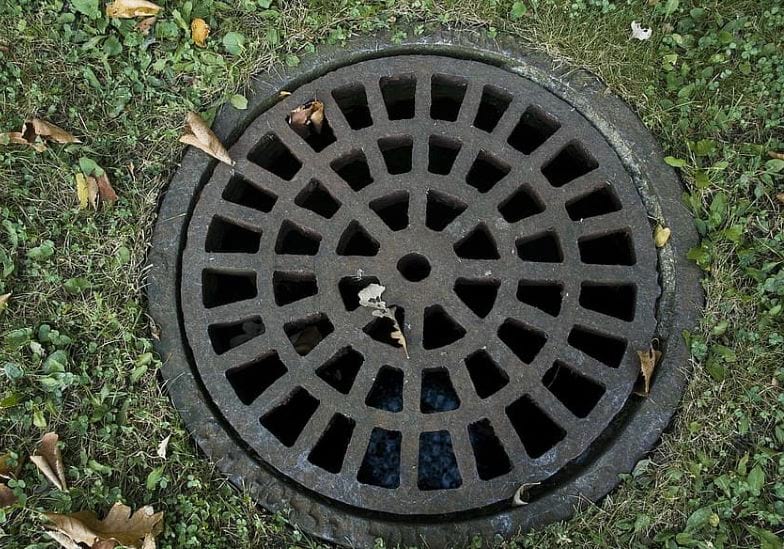
- Overflowing grates
- Damp or waterlogged soil
If left unresolved, a blockage can worsen during heavy rainfall and increase the risk of flooding.
How to Prevent Drain Blockages?
Whether you have a blocked drain in Melbourne, Sydney or anywhere, taking preventative measures can significantly reduce the likelihood of drain blockages.
Do Not Dump Waste into Storm Drains
Storm drains are not connected to wastewater treatment plants. They typically discharge directly into local creeks, rivers, or lakes. Dumping rubbish, paint, oil, or chemicals can block drains and pollute waterways.
Wash Vehicles Properly
Washing cars on streets or driveways allows soap, dirt, and chemicals to flow into storm drains.
Instead:
- Use commercial car wash facilities
- Wash vehicles on permeable surfaces like grass
Clean Up After Pets
Pet waste left outdoors can be washed into drains and waterways, introducing harmful bacteria and contaminants.
Avoid Littering
Litter such as leaves, plastic, and debris easily enters stormwater systems and causes blockages.
How to Unblock a Stormwater Drain?
If a drain becomes blocked, several solutions may help.
Plunger Method
A plunger can help dislodge minor clogs by forcing air through the pipe. Ensure nearby overflow openings are covered for effective pressure.
Drain Auger (Plumber’s Snake)
A drain auger can break through tougher blockages, including compacted debris. Proper handling is important to avoid pipe damage.
Chemical Drain Cleaners
Chemicals such as caustic soda may dissolve certain clogs. Always:
- Follow manufacturer instructions
- Use protective gear
- Avoid overuse
Call a Professional Plumber
For persistent or severe blockages, professional assistance is recommended. Plumbers use specialised tools such as high-pressure jetters and inspection cameras.
 Courtney Rehman
Final Thoughts
Stormwater drainage plays a critical role in protecting homes and the environment. Preventative care, early detection, and appropriate action can help avoid costly damage and maintain effective water flow.